


Coffeely - Learn about Coffee
4.246.00 Reviews
App Specs
- Version
- 6.32.04
- Updated On
- License
- Free
- Downloads
- 100,000+
- Developer
- Coffeely
- Categories
- Food & Drink
- Platform
- Android
Screenshots
 Analysis by AppCompare
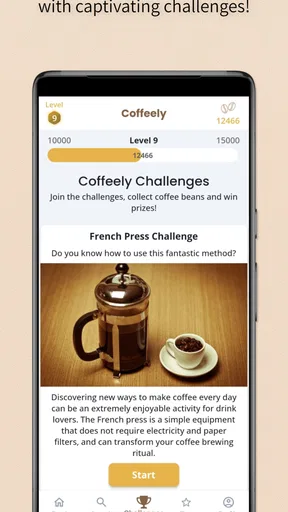
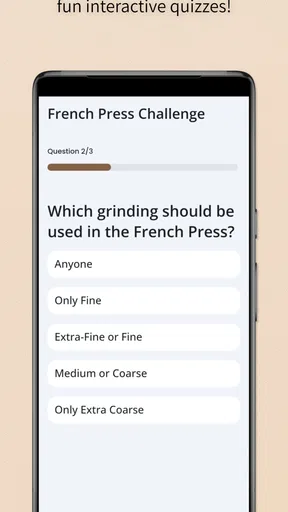
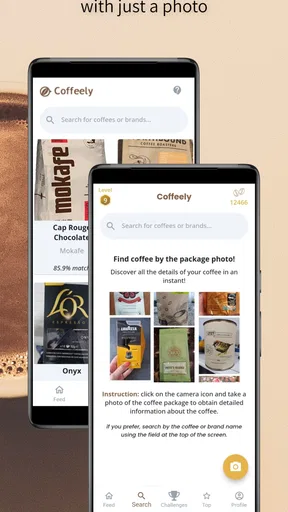
I approached Coffeely as a small learning companion rather than another app to open once and forget. It belongs to the Food & Drink category, comes from Coffeely, and is built around improving your knowledge of coffee through challenges. That sounds simple, but it gives the app a clearer purpose than a general recipe collection or a café-finder: it wants to make you more confident when you think, talk, and choose coffee.
My first impression was positive because the idea is easy to understand. You do not need specialist equipment, a complicated setup, or a serious coffee routine to begin. The app is free to download, aimed at a Teen audience, and its current version is 6.32.04. Those details make it approachable for someone who is curious but not ready to spend money on beans, grinders, or brewing gear.
What matters more is whether that initial curiosity survives the first few sessions. Coffee quizzes can be entertaining for a week, especially when you enjoy discovering unfamiliar terms, but learning apps often struggle to become part of a lasting routine. In my experience, Coffeely has genuine repeat value for the right person, although it works best when you treat it as a light daily refresher instead of expecting a complete coffee course.
From the first week to a lasting coffee habit
I find the first week most useful when I keep the sessions brief and let one surprising answer guide what I notice in my next cup. That turns a quick challenge into a small experiment rather than another screen habit. The longer-term question is whether those moments can fit naturally into different routines and abilities, which is where readability and navigation matter.
The first-week appeal comes from quick, low-pressure learning
The strongest part of the early experience is the low commitment. I can imagine opening Coffeely while waiting for a drink, during a short break, or after choosing something unfamiliar from a café menu. The challenge-based format gives those spare moments a purpose without asking me to sit down for a long lesson. That makes it more inviting than reading a dense coffee guide from beginning to end.
The app also has a useful psychological advantage: it turns vague interest into small decisions. Instead of merely thinking that I should learn more about coffee, I can test what I already know and notice where my understanding is weak. That distinction is important. A person who knows the difference between liking a dark roast and understanding how coffee is produced may find the questions more revealing than expected.
During a first week, I would use it in short sessions rather than trying to complete everything at once. A better routine is to answer a few challenges, pause when a concept feels unfamiliar, and then connect it to the next real cup I drink. If the app introduces a term related to preparation or flavor, I can pay attention to that idea when ordering or brewing later. This turns an isolated quiz into a practical observation exercise.
Worth Reading Before You Choose

EA SPORTS FC Mobile 26 Is a Bigger Football Game, but It Takes Time

Flipboard Shows What News Apps Must Do Beyond the Feed

Switching to Android Auto Means Rethinking Your Driving Routine

Google Calendar Makes a Crowded Week Easier to Manage

Ludo King Makes the Most of the Minutes Between Plans

Baby Panda World Brings Quick Play to Modern Phones, but Its Game Library Feels Busy
That workflow is one of the app’s less obvious strengths. The useful learning does not happen only inside the screen. It happens when I carry a question into a café, supermarket aisle, or kitchen. For example, I might compare two descriptions on coffee packaging and ask myself whether I actually understand the difference or am simply reacting to attractive wording.
People who enjoy quizzes, trivia, and gradual self-improvement will probably find the first sessions satisfying. It is also a reasonable choice for a coffee drinker who feels lost when faced with unfamiliar menu language. Someone who wants a technical barista qualification, however, should keep expectations in check. A challenge-based app can build awareness, but it is not a replacement for hands-on brewing practice, sensory training, or instruction from an experienced professional.
How I would use it in an ordinary day
A realistic use case is a weekday morning. I might open the app before leaving home, complete a short challenge, and then make a deliberate choice about the coffee I drink. The point is not to transform breakfast into a study session. It is to create one small moment of attention. Later, if I order coffee away from home, I have a reason to ask what I am drinking rather than selecting the first familiar option.
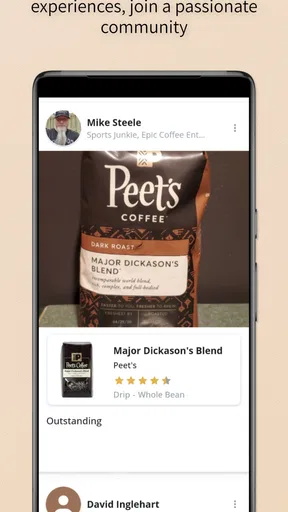
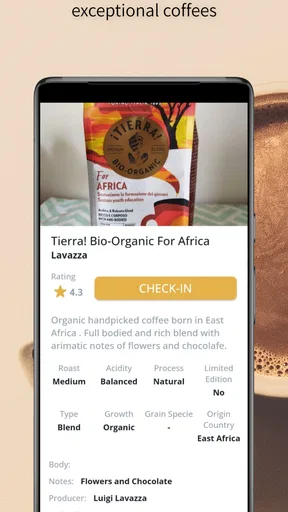
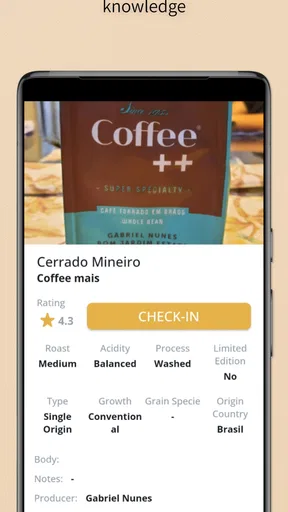
Another good moment is shopping for coffee. Instead of buying purely by package design, I can use what I have learned to inspect the language on the label and decide which details matter to me. Even if Coffeely does not make me an expert, it can help me become a more questioning customer. That is a practical benefit for anyone who regularly feels that coffee packaging is full of terms they do not understand.
I would not recommend forcing a long session when the material stops feeling fresh. The app is more useful when it leaves me with one idea to remember. Trying to turn every spare minute into a challenge may create the opposite effect, making coffee feel like homework. The best early habit is therefore modest: use the app often enough to keep the subject alive, but not so aggressively that the novelty disappears.
Where the first-week experience can disappoint
The same simplicity that makes Coffeely approachable can limit the sense of depth. A user expecting a beautifully organized reference library, detailed brewing instructions, or a personalized coffee curriculum may find the experience narrower than anticipated. Its central promise is learning through challenge, so the value depends heavily on whether that format suits the way you learn.
There is also a difference between recognizing an answer and being able to apply it. I may remember a fact during a session and still struggle to use it when comparing beans or adjusting a brew. That is not necessarily a flaw in the app, but it is an important trade-off. Coffeely can encourage curiosity and recall; it cannot physically demonstrate technique or taste a cup for me.
Because the app is free, it is easy to try without much risk. At the same time, in-app purchases range from $1.99 to $19.99 per item, so I would pay attention to what is included before buying anything. The free entry point is attractive, but anyone trying to keep coffee learning completely cost-free should decide in advance whether optional purchases fit their budget.
What remains useful after the novelty fades
The month-to-month question is more demanding. A coffee challenge can feel fresh when every topic is new, but repeated use needs a reason. For me, the recurring value comes from using the app as a memory prompt. Coffee knowledge is easy to encounter once and forget, especially when I do not use it immediately. Returning periodically can help keep terms and distinctions active.
I would place Coffeely in the same general space as coffee trivia, beginner articles, and casual educational content, but it has a different rhythm from those alternatives. A web search is better when I have one precise question and want a detailed explanation. A long-form guide is better when I want to understand a brewing method from start to finish. The app is better when I want a small, structured nudge that keeps me engaged without requiring a research project.
That makes it particularly suitable for a rotating routine. I might use it more during a month when I am exploring different coffees, then return less often once my interest settles. This is not a weakness if I see the app as a companion rather than a permanent daily obligation. It becomes a problem only if I expect every session to offer a completely new discovery.
A useful long-term technique is to connect each challenge with a personal note outside the app. I can write down one term I want to recognize, one question I want to ask at a café, or one detail I want to compare on a package. That small step turns passive answering into active learning. It also gives me a reason to return that is based on my own coffee habits rather than on the app’s novelty.
Who gets the most recurring value
Beginners are the clearest audience. If coffee is part of your daily life but the subject still feels confusing, Coffeely can make learning less intimidating. It may also suit people who enjoy testing themselves, sharing interesting facts with friends, or building a new interest in short sessions. The Teen content rating makes it accessible to a broad audience, though the learning style will still appeal more to curious users than to people who dislike quizzes.
It can also work for someone who is trying to become a more thoughtful buyer without becoming deeply technical. You do not need to chase every detail about coffee to benefit from understanding a few key ideas. The app can help you notice what you are choosing and why, which is often more useful than memorizing an impressive vocabulary.
I would skip it if my main goal were practical café management, professional tasting, or precise brewing control. In those cases, a specialized course, a reliable brewing reference, or direct practice would be a better investment of time. I would also skip it if I know I abandon quiz apps as soon as the initial curiosity wears off. The format cannot create motivation by itself.
The maintenance burden is small, but motivation is the real cost
From a maintenance perspective, Coffeely is easier to keep around than a large hobby app. I do not need to organize a collection of recipes, record every drink, or maintain a detailed inventory just to get value from it. That low upkeep is important for lasting use. An app that demands constant logging can become another chore, while this one can remain a lightweight part of my routine.
The burden shifts to remembering to open it. Since the experience is based on challenges, the app needs my attention to deliver anything. If I stop engaging, it does not automatically improve my coffee choices. The maintenance is therefore behavioral rather than administrative: I need a reason to return, even if that reason is only a few minutes of curiosity.
This is where a weekly rhythm may work better than a strict daily target. A daily goal can be motivating for some users, but it can also turn a pleasant interest into a task. I would rather choose a regular moment, such as a quiet weekend coffee, and use the app as a check-in. That approach is more likely to survive busy periods and reduces the guilt that often makes habit-based apps unpleasant.
It is also worth keeping the app in its proper role. I would not use it as the only source for an important purchase or assume that a correct challenge answer automatically tells me which coffee I will enjoy. Taste is personal, and real-world preferences depend on preparation, freshness, milk, sweetness, and context. Coffeely can sharpen my questions, but my own experience still has the final say.
Where fatigue begins
The main source of fatigue is repetition. Once I understand the basic style of the challenges, the interaction can feel predictable if I open the app too frequently. That is common with educational quiz products: the first discoveries feel rewarding, while later sessions may feel like checking whether I remember information rather than learning something genuinely new.
Another possible frustration is the gap between entertainment and explanation. A challenge is satisfying when I know why an answer is correct. If I am only selecting options without taking time to understand the reasoning, I may collect short-term wins without building durable knowledge. My advice is to slow down whenever a result surprises me and treat that moment as the real lesson.
Optional purchases can add another point of hesitation. The free price makes experimentation easy, but the presence of in-app items means I would avoid tapping through quickly if I am unsure what an item provides. This is especially relevant for younger users or anyone sharing a device. The app is easier to recommend when the user approaches purchases deliberately rather than assuming every learning element is included at no cost.
There is also a natural ceiling to how much an app like this can replace real experience. Coffee is sensory. Aroma, texture, acidity, bitterness, and balance are not fully understood by reading or answering questions. I can use Coffeely to prepare my attention, but I still need to taste different drinks and notice how preparation changes them. Users who understand that limitation will probably enjoy it more than users expecting a complete virtual substitute for coffee practice.
Technical fit and everyday accessibility
The minimum operating-system requirement is Android 6.0, which keeps the app available to people using older compatible devices. That is useful for a simple learning tool because it does not force every curious user to own a recent phone. The current version, 6.32.04, also gives the app a clear point of reference when checking whether the installed release is current.
Coffeely has reached over one hundred thousand installs and holds a 4.2 average from around one thousand two hundred ratings. Those figures suggest that it has found a real audience, though they should not replace personal judgment. The number of ratings is not proof that the app will match every learning style, but it does make the product feel established enough to try rather than experimental.
The app has been available since December 4, 2016, which changes how I view its longevity. It is not a brand-new idea relying only on launch excitement. Still, age alone does not guarantee that the content will remain engaging for a particular user. The important question is whether the challenge format continues to fit your habits after the first few weeks.
My long-term verdict
After the novelty fades, I think Coffeely earns a place on the phone of a curious coffee drinker who wants gentle, recurring learning. Its best quality is not that it promises to turn anyone into a connoisseur overnight. It gives me a simple way to keep asking better questions about a familiar daily drink. That is a modest goal, but it is realistic and useful.
The lasting value comes from connecting each challenge to a real cup, not from endlessly collecting correct answers. If I use the app as a prompt to compare labels, notice preparation choices, or investigate unfamiliar terms, it becomes more than a disposable quiz. If I open it mechanically and expect constant surprise, fatigue is likely to arrive quickly.
I would recommend trying the free version first and judging it by whether it changes how you pay attention to coffee outside the app. The developer is Coffeely, and the product remains focused enough that the decision is straightforward: it is a good fit for casual learners, curious beginners, and people who enjoy short challenges; it is not the right primary tool for professional training or hands-on brewing mastery.
For me, that balance is fair. Coffeely is a lightweight Food & Drink app with enough personality to make coffee education approachable, but its recurring value depends on the habit I build around it. Used occasionally and thoughtfully, it can stay useful well beyond the first week. Used as a complete coffee education, it will feel too limited. That makes it worth trying, provided I treat it as a companion to real tasting and exploration rather than the whole journey.
Pros
- Clear lessons make coffee basics easy for beginners to understand.
- Useful explanations cover beans
- brewing methods
- and flavor differences.
- Short learning sessions fit well into a busy daily routine.
- Helps users build vocabulary for describing coffee flavors and aromas.
- A convenient reference for exploring coffee beyond standard café drinks.
Cons
- Advanced coffee enthusiasts may find the content too introductory.
- Some lessons may feel repetitive when reviewing familiar coffee concepts.
- Learning value depends on consistent practice outside the app.
- Coffee terminology can be difficult without tasting real examples.
- The app may not replace hands-on brewing guidance or expert instruction.
FAQs for Coffeely - Learn about Coffee
What is Coffeely - Learn about Coffee?
Coffeely - Learn about Coffee is an educational app designed for people who want to understand coffee more deeply. It introduces users to coffee origins, bean varieties, roasting styles, brewing methods, tasting notes, and related terminology. The app is suitable for beginners, although more experienced coffee drinkers may also find it useful for reviewing concepts and discovering new areas of interest.
Is Coffeely suitable for complete beginners?
Yes. Coffeely is designed to make coffee education approachable for users who may not know the difference between Arabica and Robusta, or between brewing methods such as pour-over, French press, and espresso. Information is generally presented in an easy-to-follow format, making it a practical starting point for learning the basics before experimenting with beans, equipment, and preparation techniques at home.
What topics can users learn about in Coffeely?
The app covers several important parts of the coffee experience, including coffee-growing regions, bean types, processing methods, roasting levels, flavor profiles, brewing techniques, and common coffee vocabulary. Depending on how you use it, Coffeely can help you compare different coffees, understand why they taste different, and become more confident when choosing beans or ordering drinks.
Does Coffeely include practical brewing advice?
Coffeely is more than a simple coffee glossary because its educational content can help connect theory with everyday preparation. Users can learn how factors such as grind size, water, brewing method, and roast level influence the final cup. However, it should be viewed as a learning companion rather than a replacement for hands-on practice, since equipment and personal taste can affect results.
Is Coffeely free to download, and does it require an internet connection?
Availability, pricing, advertising, and optional in-app features may vary depending on whether you use the Android or iOS version and on changes made by the developer. It is recommended to check the app-store listing before downloading for the latest details. Some educational content may work offline, but certain features, updates, or media could require an internet connection.


